
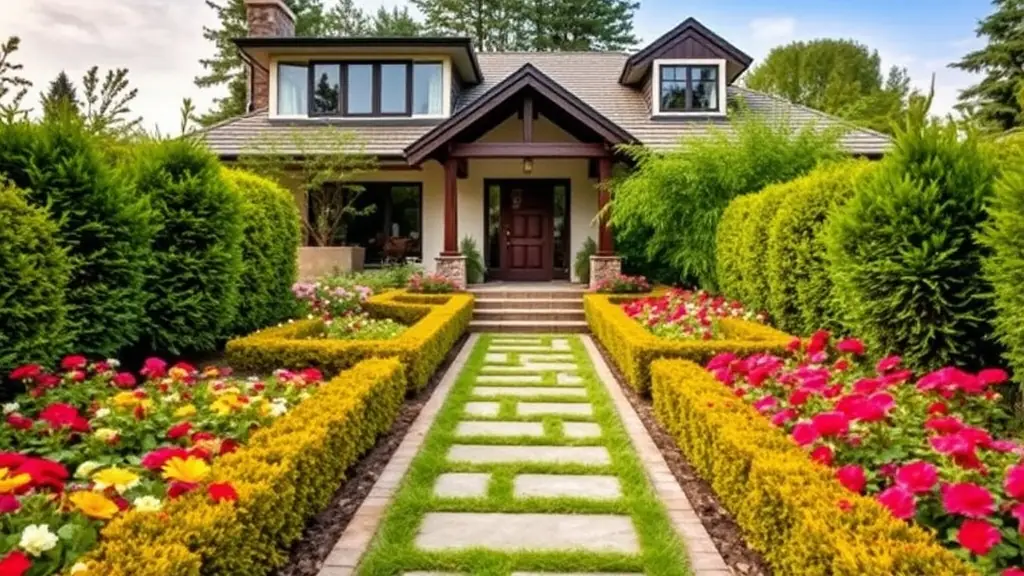
Landscape design plays a crucial role in the overall success of architectural projects. It is not just about beautifying the surroundings; it is about creating a harmonious relationship between the built environment and nature. Thoughtful landscape design can enhance the functionality of a space, provide shade, and improve air quality. This article explores the principles of effective landscape design and its impact on architecture.
One of the key aspects of successful landscape design is the selection of appropriate plants and materials. Native plants are often preferred as they require less maintenance and are better suited to the local climate. Additionally, incorporating hardscaping elements such as pathways, patios, and retaining walls can create a cohesive look that ties the architecture and landscape together. The goal is to create an inviting outdoor space that complements the architectural features of the building.
In conclusion, landscape design is an essential component of any architectural project. It not only enhances the aesthetic appeal but also contributes to the sustainability and functionality of the space. As architects and designers, we must consider the landscape as an integral part of our designs, ensuring that our projects are in harmony with their natural surroundings. By doing so, we create spaces that are not only beautiful but also beneficial for the environment.
